
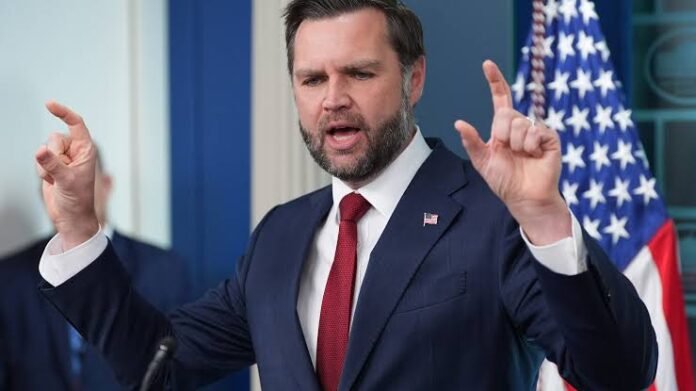
WASHINGTON: U.S. Vice President J.D. Vance has signalled a significant shift in Washington’s approach to the Middle East, with the Trump administration seeking to reduce the level of direct U.S. military involvement in the region while encouraging regional partners to take greater responsibility for security.
The remarks come as the United States remains deeply involved in the ongoing conflict with Iran and wider tensions across the Middle East. Vance has simultaneously pushed for negotiations and argued that Washington’s long-term interests require a different approach to the region.
The emerging strategy reflects a broader U.S. effort to limit prolonged military commitments overseas and concentrate American resources on priorities elsewhere, particularly the Indo-Pacific and competition with China. The 2026 U.S. defence strategy also places greater emphasis on allies carrying more of the security burden.
Vance has previously described the administration’s approach as an opportunity to change U.S. relations in the Middle East permanently. During talks involving Iran, he said Washington had a choice between returning to the old pattern of regional confrontation or pursuing a new approach.
The policy shift does not mean the United States is immediately abandoning the Middle East. Washington continues to maintain military forces and strategic partnerships in the region, while the current Iran conflict remains a major U.S. foreign-policy priority. Recent remarks by Vance have also focused on the security of the Strait of Hormuz and the wider consequences of the conflict.
The comments nevertheless point to a changing American strategy: fewer open-ended military commitments, greater reliance on regional partners and a stronger focus on U.S. strategic priorities outside the Middle East.

