
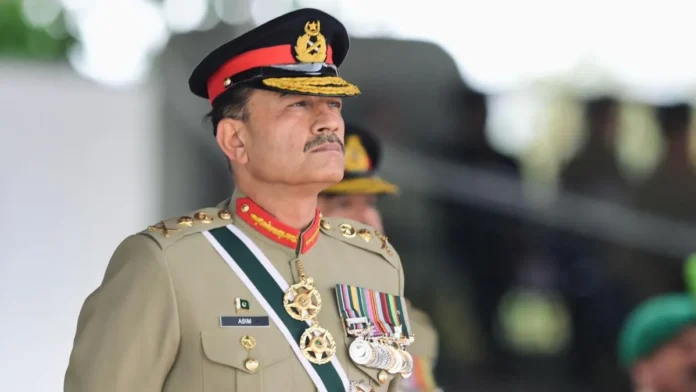
Field Marshal Asim Munir Emerges as Key Power Broker from Domestic Crisis to Global Diplomacy
When Asim Munir was appointed Pakistan’s army chief in November 2022, the country was grappling with deep political instability. Former prime minister Imran Khan had been ousted through a no-confidence vote and had launched a nationwide protest movement, accusing the military of orchestrating his removal—claims repeatedly denied by both the army and the government.
Tensions escalated further on May 9, 2023, when Khan’s arrest sparked widespread protests, including attacks on military installations. The unrest marked a turning point in Pakistan’s internal political landscape, with the military leadership facing intense scrutiny and criticism.
However, developments over the following years significantly reshaped Munir’s role and public image.
A major shift came after the brief but intense conflict between Pakistan and India in May 2025. The four-day confrontation involved missile and drone exchanges, with Pakistan claiming to have downed multiple Indian fighter jets. Analysts say the conflict reinforced the military’s domestic standing and signaled Pakistan’s continued strategic relevance despite internal challenges.
Following the conflict, Munir was elevated to the rank of Field Marshal, becoming one of the most powerful figures in the country. Observers note that his leadership during the crisis enhanced his credibility both at home and abroad.

In the international arena, FM Asim Munir has increasingly taken on a prominent diplomatic role. Alongside Prime Minister Shehbaz Sharif and Foreign Minister Ishaq Dar, he has been actively engaged in regional diplomacy, particularly during tensions between United States and Iran.
FM Asim Munir’s growing influence was evident during his engagements with former US President Donald Trump, where discussions reportedly included de-escalation efforts between Washington and Tehran. Pakistani officials have positioned the country as a potential mediator, leveraging its ties with both sides.

Analysts suggest that Munir’s unique position stems from Pakistan’s balanced relationships across key global and regional powers, including China and Gulf states. His prior experience in military intelligence has also been cited as a factor contributing to his ability to navigate complex geopolitical dynamics.
Observers in Washington have noted a visible shift in Munir’s leadership style. While initially perceived as reserved, he later demonstrated greater confidence and assertiveness, particularly following the 2025 conflict. This transformation, coupled with Pakistan’s active diplomatic outreach, has elevated his profile on the global stage.
Even opposition leaders have shown cautious support for Pakistan’s mediation efforts, emphasizing the importance of regional stability over domestic political differences.
Today, Field Marshal Asim Munir stands at the center of Pakistan’s power structure—shaping both its internal direction and external engagements—marking a significant evolution from a military chief navigating domestic turmoil to a key player in global diplomacy.

