
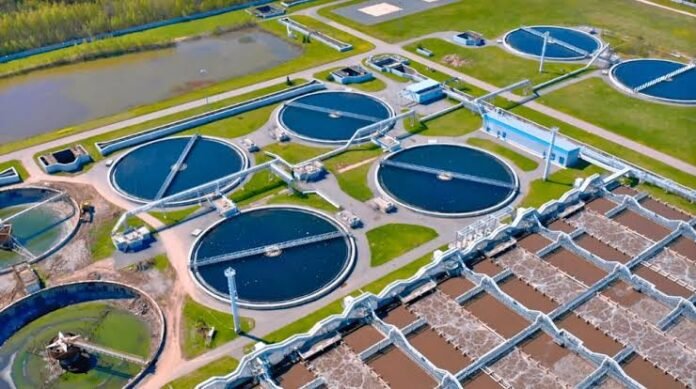
KARACHI: The activation of Treatment Plant-I (TP-I) under the Greater Karachi Sewerage Plan, commonly known as the S-III project, has been described by Sindh Senior Minister Sharjeel Inam Memon as an important development for the city’s sewerage system.
Memon said the Sindh government plans to increase TP-I’s treatment capacity from 51 million gallons per day (MGD) to 100 MGD. The government has also allocated Rs5 billion for secondary-level wastewater treatment to facilitate the plant’s operation. The plant is located at Haroonabad and forms part of the S-III sewerage infrastructure.
Focus On Karachi’s Environment And Public Health
According to Memon, the objective of the project extends beyond treating sewage. The initiative is also aimed at reducing environmental pollution and supporting better public health conditions in Karachi.
The S-III system includes trunk sewers designed to collect wastewater from different parts of the city and transport it to treatment facilities for processing before disposal or reuse.
Treated Water For Industrial Use
Memon said treated wastewater could also be used for industrial purposes, helping reduce pressure on Karachi’s freshwater resources.
Wastewater treatment and reuse are increasingly being incorporated into Karachi’s water-management plans. TP-I is designed to support sewage treatment and reduce the discharge of untreated wastewater into the marine environment.
S-III Sewerage Network
The S-III project includes major trunk sewer infrastructure serving the Lyari and Malir basins. According to the minister, the network is intended to transport sewage to treatment plants, forming an important part of Karachi’s wider wastewater-management system.
Memon said a long-term solution to Karachi’s sewerage challenges requires modern treatment facilities, an effective trunk sewer network and the reuse of treated wastewater.
The Sindh government has said it will continue measures aimed at improving basic municipal services and sewerage infrastructure for Karachi’s residents.

