
Israel Seizes Historic Lebanese Castle as Death Toll Rises to 3,412, France Seeks UN Action
Beirut: France has called for an emergency meeting of the United Nations Security Council after Israeli forces seized a historic fortress in southern Lebanon amid escalating military operations that Lebanese authorities say have killed 3,412 people since March.
French Foreign Minister Jean-Noël Barrot said Paris had requested an urgent Security Council session, arguing that there was no justification for the continuation of Israeli military operations or the expansion of Israeli control over Lebanese territory.
“We are deeply concerned by the widening scope of Israeli operations in southern Lebanon and further incursions into Lebanese territory,” Barrot told French television channel BFM TV.
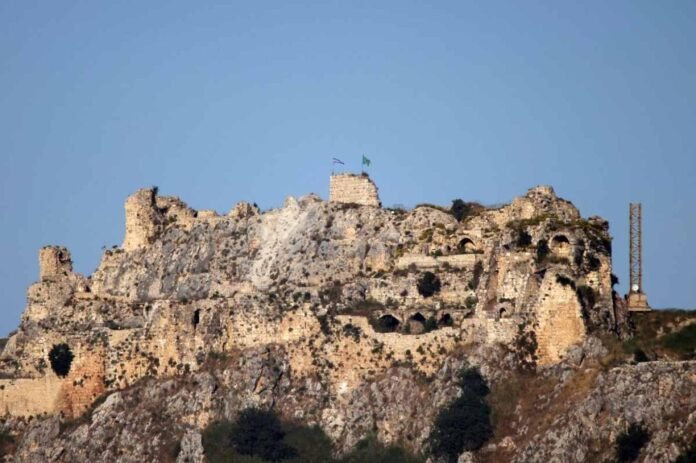
The call came after the Israeli military announced it had taken control of Beaufort Castle, known locally as Qalaat al-Shaqif, a Crusader-era fortress overlooking southern Lebanon near the city of Nabatieh. The capture followed days of intense Israeli air strikes in the area.
Images released by Israeli military spokesman Avichay Adraee showed Israeli soldiers near the site, while Defence Minister Israel Katz said the Israeli flag had been raised over the fortress.
According to Lebanon’s Ministry of Health, Israeli military operations have killed 3,412 people and wounded 10,269 others between 2 March and 31 May.
The latest developments come despite a ceasefire that has officially been in place since 17 April, although both sides have accused each other of violating the agreement.
France urged the international community to take immediate steps to prevent further escalation and safeguard Lebanon’s sovereignty and territorial integrity.
The Israeli advance also coincides with ongoing direct talks between Lebanon and Israel in Washington. A new round of negotiations is scheduled to take place at the US State Department on 2 and 3 June.
Israel previously occupied Beaufort Castle during its military presence in southern Lebanon, maintaining control of the site from 1982 until its withdrawal in 2000.
Lebanese Prime Minister Nawaf Salam on Saturday described Israel’s military campaign as a “scorched-earth policy”, warning that the country was moving towards a “dangerous escalation”. He called for an immediate and genuine ceasefire, accusing Israel of destroying towns and villages and forcing residents from their homes.

