
Iran Sees Unexploded US, Israeli Munitions as ‘Strategic Opportunity’ Amid Ongoing Tensions
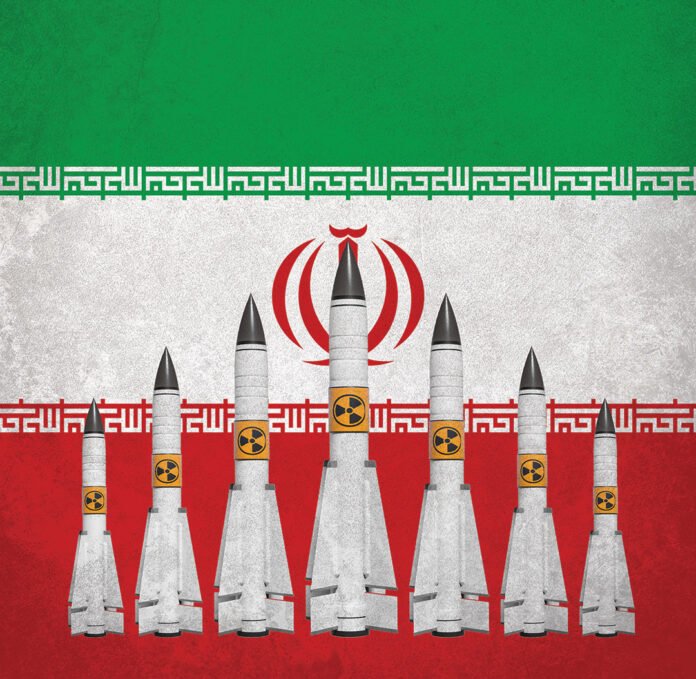
Iranian state media and pro-government analysts are portraying the recovery of unexploded American and Israeli munitions during the recent conflict as a major strategic gain, suggesting it could significantly enhance Tehran’s military capabilities.
According to a report aired on April 26 by Iran’s state broadcaster Press TV, the Islamic Revolutionary Guard Corps (IRGC) successfully neutralized 15 “heavy American missiles” in Hormozgan province. The report claimed that these weapons have been transferred to technical and research units for reverse engineering.
Among the recovered arsenal, Iranian media alleged the presence of a GBU-57 bunker-buster bomb—one of the most powerful conventional bombs in the US military inventory. While such claims remain unverified independently, Iranian outlets are framing the development as a rare intelligence and technological opportunity.
Reverse engineering involves dismantling and analyzing weapons or systems to understand their design, functionality, and underlying technology. Iranian officials and analysts argue that this process could allow Tehran to replicate or counter advanced Western military systems.
Hardline voices within Iran have gone further. Hossein Shariatmadari, editor-in-chief of the conservative Kayhan newspaper, urged the government not only to reverse engineer the weapons but also to share the resulting technology with allied powers such as China and Russia. He claimed that a “significant number” of advanced systems—including Tomahawk cruise missiles, AGM-158 missiles, and MQ-9 drones—had failed during the conflict and fallen into Iranian hands.
Iran’s Student News Network described the discovery as a “gift,” suggesting that the battlefield has effectively become a “research laboratory” for the country’s defense industry. The outlet emphasized that analyzing unexploded weapons could enable Iran to creatively replicate “dangerous enemy technologies” and turn the situation into a strategic advantage.
The narrative has also been echoed by state-affiliated media personalities. A presenter on Iranian state television stated that the public should be confident that these weapons would be reverse engineered and eventually “returned as a gift,” hinting at potential future use against adversaries.
Online supporters aligned with Iran’s establishment have celebrated the reports, calling them “good news for us and bad news for the US,” with some predicting large-scale domestic production of similar weapons in the near future.
Tehran municipal official Ehsan Kharamid described the development as more than just a news story, calling it the beginning of a “scientific war.” He suggested that recovered equipment could expose the “hidden layers” of American military technology.
Meanwhile, regional analyst Ehsan Taqaddosi argued that such developments could force the United States to invest billions of dollars in new weapons systems while adopting a more cautious military posture in future engagements.
Iran has a history of leveraging reverse engineering to overcome sanctions and technological limitations. Notable examples include replicating US-made Hawk missile systems and capturing the RQ-170 stealth drone in 2011, which Tehran claimed to have studied and reproduced.
While many of the latest claims remain difficult to independently verify, the narrative being promoted reflects a broader effort to frame battlefield remnants as a long-term strategic and technological advantage.

