
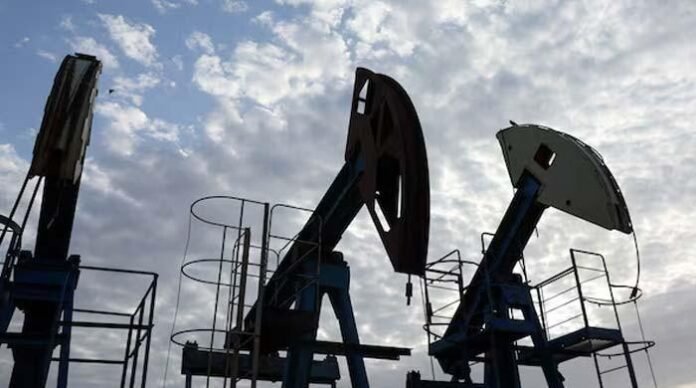
Pakistan Discovers Lithium in Sindh, Opening New Opportunities in the Global Critical Minerals Market
Pakistan has taken an important step toward joining the global critical minerals industry after the Oil and Gas Development Company Limited (OGDCL) identified lithium in formation water from a high-temperature geothermal well in Sindh. According to officials, this is the first confirmed indication of lithium from such a source in Pakistan and could become a significant milestone for the country’s mining and energy sectors. However, experts have emphasized that further geological studies and commercial assessments are required before determining whether the resource can be extracted economically.
What Was Discovered?
The lithium was detected during advanced geochemical testing of formation water produced from a geothermal well under OGDCL’s pilot geothermal programme in Sindh. Formation water is naturally trapped deep underground alongside oil, gas, and dissolved minerals. Around the world, several countries are exploring methods to recover lithium from these underground brines because demand for the mineral continues to grow rapidly.
Why Lithium Matters
Lithium is one of the world’s most valuable critical minerals. It is an essential component in rechargeable batteries used in electric vehicles (EVs), smartphones, laptops, renewable energy storage systems, and many other modern technologies. As countries transition toward clean energy, demand for lithium is expected to increase significantly over the coming years.
Major lithium-producing nations such as Australia, Chile, Argentina, and China currently dominate the global market. If Pakistan’s reserves prove commercially viable, the country could eventually become part of the international lithium supply chain.
Economic Opportunities for Pakistan
The discovery could create multiple economic opportunities if future exploration confirms substantial reserves. Possible benefits include:
Increased foreign investment in Pakistan’s mining sector.
Development of local mineral processing industries.
Creation of new employment opportunities.
Higher export earnings.
Support for Pakistan’s clean energy and industrial development.
Industry experts believe critical minerals could become a new pillar of Pakistan’s economy alongside agriculture, textiles, and information technology.
More Research Still Needed
Officials have cautioned that the discovery should not be considered a commercial breakthrough just yet. Scientists must now determine:
The total size of the lithium resource.
The concentration of lithium in underground brines.
The cost of extraction.
Environmental impacts.
Long-term commercial feasibility.
Only after detailed exploration and economic studies can authorities decide whether commercial production is practical.
Growing Global Competition
Countries around the world are racing to secure supplies of critical minerals because they are essential for electric vehicles, battery manufacturing, renewable energy infrastructure, and advanced technologies. Pakistan’s discovery comes at a time when global demand for lithium continues to rise, making the country’s potential resources increasingly valuable.
Challenges Ahead
While the discovery is encouraging, Pakistan will need significant investment, advanced extraction technology, environmental safeguards, and supportive government policies before lithium production can become a reality. Building infrastructure and attracting international partners will also be key to success.
Conclusion
The identification of lithium in Sindh marks an encouraging development for Pakistan’s mineral exploration efforts. Although commercial production remains uncertain until further scientific evaluation is completed, the discovery highlights Pakistan’s potential to participate in the rapidly expanding global critical minerals market. If confirmed as economically viable, lithium could contribute to economic growth, industrial development, and the country’s transition toward a more technology-driven future.

