
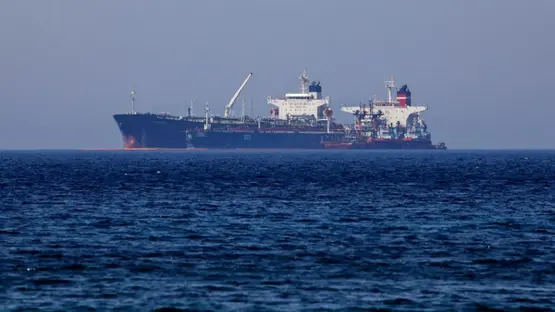
A prolonged conflict involving Iran has triggered one of the most severe disruptions to global energy markets in modern history, with analysts estimating that more than $50 billion worth of crude oil has effectively been removed from global supply within just 50 days.
According to industry data from Kpler and estimates compiled by Reuters, over 500 million barrels of crude oil and condensate have been lost from the market since the crisis began in late February. This represents a historic supply shock, comparable to shutting down global aviation demand for weeks or halting international shipping fuel supply for months.
Energy analysts warn that the economic and industrial ripple effects could persist for months, if not years.
Massive production and export losses
The crisis has severely impacted Gulf energy producers, with regional output reportedly down by around 8 million barrels per day in March alone. Major exporters including Saudi Arabia, the UAE, Kuwait, Qatar, Bahrain, and Oman saw steep declines in shipments, particularly in jet fuel exports.
Jet fuel exports from these countries reportedly fell from 19.6 million barrels in February to just 4.1 million barrels in March and early April combined, according to Kpler data.
Global economic impact
At an average crude price of around $100 per barrel during the disruption period, analysts estimate that the lost production equates to roughly $50 billion in foregone revenue. That figure is comparable to about 1% of Germany’s annual GDP or the total economic output of smaller European economies such as Latvia or Estonia.
Experts also note that the missing volumes are large enough to represent:
- Nearly a month of U.S. oil consumption
- More than a month of Europe’s oil demand
- Fuel for the global shipping industry for about four months
- Six years of U.S. military fuel usage
Strait of Hormuz and diplomatic signals
Iranian officials have indicated that the Strait of Hormuz remains open following diplomatic developments, while international leaders have suggested a potential ceasefire or settlement could emerge soon. However, the timeline for a lasting resolution remains uncertain.
Recovery expected to take months or years
Despite signs of stabilization, energy markets are expected to recover slowly. Global crude inventories have already dropped by around 45 million barrels in April alone, while production outages remain significant.
Some heavy crude fields in Kuwait and Iraq may require four to five months to return to normal output. More complex infrastructure damage, including refining capacity and LNG facilities such as Qatar’s Ras Laffan, could take years to fully restore.
Outlook
Analysts warn that even if the conflict de-escalates, the global oil system will continue to feel the aftershocks through price volatility, supply chain stress, and delayed production recovery well beyond the 50-day crisis period.

